
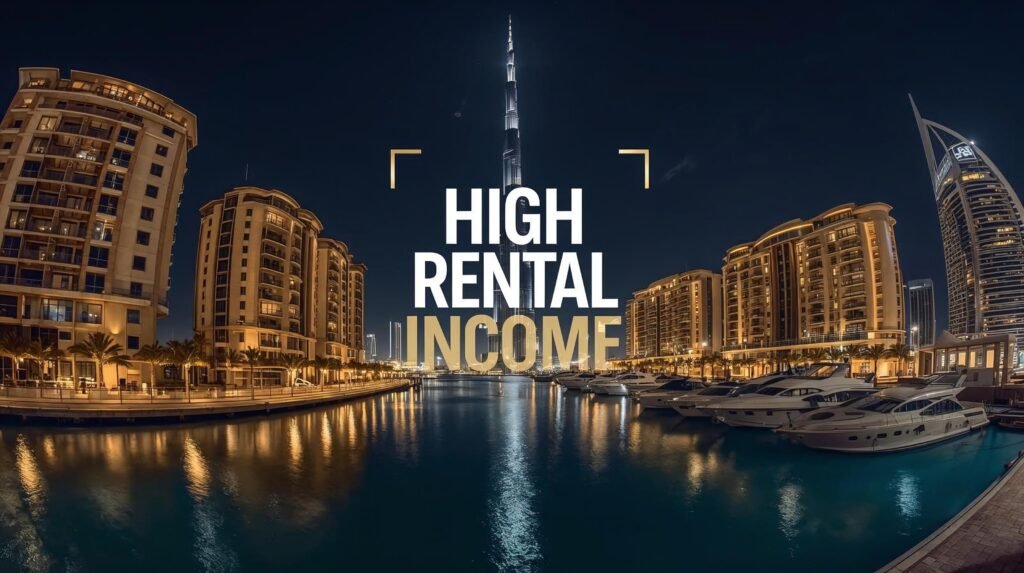
Dubai’s real estate market is renowned for High Rental Income potential, consistently delivering robust rental returns to property investors. In fact, Dubai’s average rental yields range around 5%–9%, far outshining global cities like London or New York where yields hover at only ~2–4%. This impressive rental performance, coupled with a tax-free regime, has cemented Dubai’s reputation as a top destination for income-seeking investors. This blog will explore what “high rental income” means in real estate, why Dubai rental yield figures are among the world’s highest, which areas in Dubai offer the best rental returns, and how investors (especially from India) can maximize their property ROI in the UAE. We’ll also examine the impact of tourism and Expo City Dubai on rental demand, and why Dubai real estate investment is considered a safer bet for long-term returns.
What Is High Rental Income in Real Estate?
In real estate, High Rental Income refers to the steady rent a property earns, typically measured using a key metric called rental yield (also known as ROI on rentals). Rental yield is calculated by dividing the annual rental income by the property’s value. For instance, if a property worth ₹1 crore generates ₹8 lakh in rent per year, the rental yield is 8%. This percentage helps investors evaluate the income-generating efficiency of a property. A higher yield means the property is producing more income relative to its cost, which is a strong indicator of smart investment.
Generally, a High Rental Income is considered to be anything above 5–6%, especially when compared to traditional savings or bond returns. In many Indian cities, rental yields often fall between 2–3%, making Dubai’s average of 6–9% extremely attractive. Properties with high rental yields offer healthy cash flow, making them especially appealing for investors seeking passive income. Simply put, investing in high-yield properties allows your capital to work harder, delivering consistent and meaningful returns year after year.
Why Dubai Offers Some of the World’s Highest Rental Yields
Dubai stands out globally for its exceptional rental yields, and there are several reasons behind this strong performance:
- Robust Demand from Expats: Dubai’s growing economy and job market attract a large expat population (over 80% of residents), most of whom rent their homes. This constant demand keeps rents high and occupancy rates steady in popular areas. In sought-after districts like Downtown or Dubai Marina, rental yields commonly range 8%–11%, far above what landlords see in many other world cities.
- Tax-Free Rental Income: The UAE levies no income tax on rental earnings and no property or capital gains tax either. Investors get to keep 100% of the rental income, which effectively boosts net yields compared to countries where a chunk of rent gets taxed. This tax-free advantage significantly amplifies the real rental returns Dubai investors can achieve.
- High Tourism and Short-Term Let Demand: As a global tourist and business hub, Dubai enjoys year-round visitor demand. Many owners rent out properties on short-term platforms (holiday homes), earning premium nightly rates. This pushes up effective annual yields, especially for properties in tourist-friendly locales.
- Investor-Friendly Policies and Economy: Dubai’s government supports real estate with initiatives like long-term Golden Visas for property buyers, strong contractual laws, and transparent regulations. The city’s stable governance and currency (the dirham is pegged to the US dollar) further instil confidence. In a stable, growing economy with world-class infrastructure and safety, landlords face less risk and can command reliable rental prices. All these factors combine to make Dubai’s rental yields among the highest in the world, offering investors an ideal mix of high returns and security.
Best Areas in Dubai for High Rental Income
Certain neighborhoods in Dubai are famed for delivering above-average rental yields, thanks to their location and tenant demand. Below are some of the best areas in Dubai known for high rental income potential:
- Business Bay: A bustling business district near Downtown, popular with young professionals. Its high-rise apartments and proximity to offices yield strong rents (often in the ~7–9% range). Ongoing development and a central location make Business Bay a consistent high-ROI area.
- Downtown Dubai: Home to landmarks like the Burj Khalifa and Dubai Mall, Downtown commands premium rents due to constant demand from executives and tourists. Properties here enjoy high occupancy and rental yields commonly around 6–8%, which is impressive given the upscale prices.
- Jumeirah Village Circle (JVC): An emerging community offering affordable apartments with excellent amenities. JVC has become an investor favorite for its combination of lower entry prices and solid rents – translating to yields roughly in the 7–9% range in recent years. Steady inflow of families and professionals keeps this area’s rental market brisk.
- Dubai Marina: This waterfront community of high-rises remains perennially popular among expats. With its vibrant lifestyle and sea views, Dubai Marina property can fetch premium rents. 1-bedroom and studio units here often see yields around 6–8%. The Marina’s reputation as a lifestyle hub ensures sustained rental demand.
- Palm Jumeirah: The iconic palm-shaped island is known for luxury villas and apartments. While purchase prices are high, owners here can capitalize on short-term holiday rentals and exclusive clientele. Well-marketed Palm properties (especially apartments) can achieve yields in the mid to high single digits. The Palm’s global appeal keeps occupancy and daily rates strong, boosting ROI.
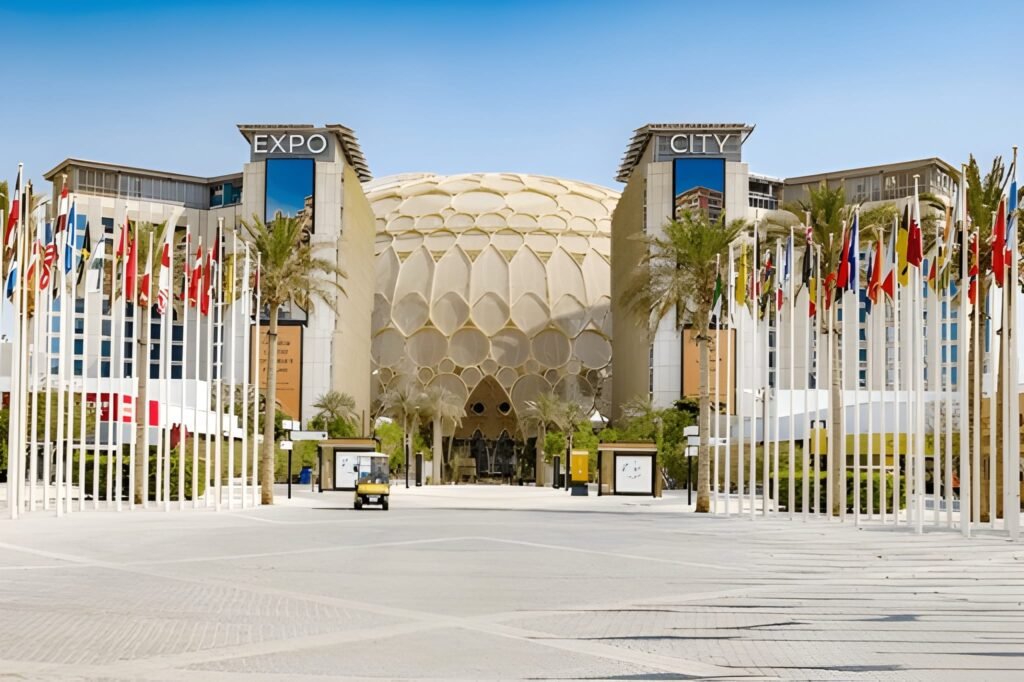
- Expo City (District 2020): The legacy site of Expo 2020 is transforming into a “city of the future” in Dubai South. With new residences, offices, and attractions, Expo City Dubai is drawing significant interest from tenants and investors. As a purpose-built smart district with upcoming events and businesses, properties here are expected to enjoy rising rental demand. Early investors are optimistic about this area becoming a high-yield zone as development continues and footfall increases.
Average Rental Yields by Property Type
Rental returns in Dubai can also vary by property type and features. Broadly:
- Apartments vs. Villas: Apartments generally offer higher rental yields than villas. In prime locations, apartments typically yield around 6% to 9% annually, whereas villas average roughly 4% to 6%. Smaller units (studios/1-bed apartments) often bring the highest percentages, as they are more affordable to buy yet command good rent. Villas, while renting for more absolute money, have higher prices, so their yield percentage is usually lower.
- Furnished vs. Unfurnished: Furnishing a property in Dubai can notably boost its rental income. Tenants (especially short-term renters) are willing to pay a premium for fully furnished, move-in-ready homes. On average, furnished properties command about 15–30% higher rent than comparable unfurnished units. This extra rent can translate into 1–2 percentage points of additional yield. Landlords must weigh this against the one-time furniture cost, but in a high-demand market like Dubai, a stylish furnished apartment can quickly pay off by achieving a higher ROI.
- Off-Plan vs. Ready Properties: Ready properties (completed homes) have the advantage of generating rental income immediately upon purchase – a clear benefit for yield-focused investors. Off-plan properties, on the other hand, are bought during construction at lower prices; they don’t earn rent until completion, but the lower entry cost can mean a higher yield % once the unit is rented out. Many investors use off-plan purchases for capital appreciation and then enjoy strong yields upon handover. In Dubai, off-plan projects may also come with developer incentives (like post-handover payment plans or rent guarantees) that can enhance overall ROI. In summary, a ready property provides instant cash-flow, while an off-plan property offers property ROI (UAE) investors the potential of a better yield in the future – after a waiting period and assuming the market remains strong.
How to Maximize Rental Returns in Dubai
Investors can take strategic steps to maximize their rental income in Dubai’s market:
- Choose Prime Locations: Location is king for rental yield. Opt for properties in high-demand areas – ideally near business centers, metro stations, or popular attractions. High footfall locations (e.g. near Downtown or tourist hubs) ensure a larger tenant pool and let you charge premium rent. Even within a neighborhood, a better view or proximity to amenities can boost achievable rent.
- Buy from Reputable Developers: A well-built property by a reputable developer not only attracts quality tenants more easily but also incurs fewer maintenance issues (meaning less downtime and cost). Established developers in Dubai also tend to deliver on time and adhere to promised specs, so you can start renting out as planned. Property quality and developer track record play a role in tenant trust and willingness to pay higher rent.
- Consider Short-Term Rentals (Holiday Homes): If maximizing yield is the goal, look beyond traditional year-long leases. Dubai’s thriving tourism means short-term rentals on platforms like Airbnb can significantly outperform long-term rents. A furnished apartment in a tourist-friendly area can fetch high nightly rates. In fact, short-term rentals in Dubai can yield roughly 8%–12% annually, compared to 5%–7% from long-term leasing. While short-term hosting involves more operational effort (frequent tenant turnover, listings, cleanings), using a holiday-home management service can streamline this. The higher income and flexibility (you can also use the property yourself in between bookings) often justify the extra hassle.
- Professional Property Management: Engaging a good property management company can boost your net returns. These professionals handle marketing, tenant screening, rent collection, and maintenance efficiently. They aim to minimize vacancy periods and keep your property in top shape, leading to satisfied tenants and consistent rent. Especially for overseas investors or those who prefer hands-off income, a property manager in Dubai can ensure you don’t lose rent due to avoidable vacancies or poor upkeep. Their expertise in setting optimal rent prices (using market data) also helps maximize your rental yield.
By implementing these tips – picking the right property, rental strategy, and management – investors can unlock even higher rental returns in Dubai and truly capitalize on the city’s investor-friendly market dynamics.
Impact of Tourism and Expo City on Rental Income
Global tourism and mega-events have a direct positive effect on Dubai’s rental property sector. Dubai was the 3rd most visited city in the world in 2023 with around 17 million international visitors, and this influx of tourists translates into robust demand for short-term accommodations. High tourist footfall means landlords can achieve full occupancy and premium rates, especially during peak seasons or big events. For example, areas around the Dubai Mall or Marina see surges in rental demand during New Year’s and conferences, allowing owners to charge top dollar on holiday lets.
Expo 2020 was a game-changer in this regard. When Dubai hosted Expo 2020 (Oct 2021 – Mar 2022), it drew millions of visitors and boosted rental demand citywide, particularly in nearby communities. Neighborhoods along the new metro Route 2020 and around the Expo site experienced a spike in attention and property uptake. Many investors smartly bought in advance, then reaped exceptional rental income by leasing to Expo participants and staff.
Now, the Expo site has transformed into Expo City Dubai—a permanent, innovation-focused district designed to sustain momentum from the historic Expo 2020. It continues to host large-scale global events such as COP28 in 2023, along with frequent trade shows, exhibitions, and business conferences. These gatherings attract a steady influx of international visitors and corporate tenants, creating strong demand for short-term rentals. Key infrastructure like the Dubai Exhibition Centre, upgraded metro connectivity, and modern amenities further boost the area’s appeal for both tourists and long-stay business travelers.
This consistent footfall is driving up occupancy rates in nearby communities such as Dubai South and Jebel Ali, making them emerging hotspots for investors targeting High Rental Income. In 2024 alone, Dubai welcomed a record-breaking 18.7 million international visitors, reinforcing its status as a global tourism and business hub. For landlords, this means increased rental potential—not just in volume, but in pricing. Dubai’s unique ability to blend tourism, innovation, and global connectivity directly fuels higher yields, especially for those offering flexible or short-term rental models during event-heavy periods.
Why Dubai Is a Safer Bet for Rental Investments
Beyond the high returns, Dubai offers stability and peace of mind for rental property investors. Several factors make it a relatively safe bet:
- Political and Economic Stability: The UAE is known for its stable government and pro-business environment. Dubai in particular has a diversified economy (tourism, trade, finance, tech) which reduces reliance on any single sector. This stability means rental demand and property values are less volatile than in riskier markets.
- Strong Regulatory Framework: Dubai has clear real estate laws and investor protections. For example, rental increases are regulated by RERA’s Rental Index to prevent extreme hikes, and there are well-defined processes for dispute resolution. Foreign investors can own freehold property in designated areas with full ownership rights. Such transparency and rule of law provide confidence when investing large sums.
- Currency Peg and Financial Safety: The UAE dirham is pegged to the US Dollar, eliminating currency fluctuation risk for investors coming from dollar-linked economies (like India’s rupee is semi-managed against USD). This peg ensures your rental returns aren’t eroded by forex swings – a unique advantage over many emerging markets. The banking system is robust, and repatriation of funds (rents or sale proceeds) is straightforward, making it easy for international investors to move money.
- World-Class Infrastructure & Lifestyle: Dubai’s high quality of life, modern infrastructure, and safety attract a constant influx of expatriates and businesses. It’s a city where people want to live, work, and vacation. This inherent demand underpins the rental market. Even during global challenges, Dubai has historically bounced back quickly, thanks to visionary initiatives (for instance, offering remote work visas to attract professionals during the pandemic). The brand of “Dubai” itself signals a secure, well-managed environment, which enhances the long-term desirability (and thus occupancy) of its real estate.
- No Tax and Investor Incentives: As noted, the tax-free nature of rental income in Dubai removes a major uncertainty for investors – you keep the full yield without future tax law changes affecting your return. Moreover, government initiatives like the 10-year Golden Visa for property investors (for qualifying investment amounts) add an extra layer of appeal and stability, aligning investors’ long-term interests with the city. Dubai actively courts and rewards investors, which is reassuring when parking money into property.
All these factors combined mean investing in Dubai property is not only profitable but comparatively secure. It’s one of the reasons savvy investors worldwide and a large number of NRIs consider Dubai a top choice for stable rental investment. In essence, the reasons why Dubai real estate shines – strong governance, consistent demand, and a protective investment framework – make it a solid bet for those looking to earn passive rental income with minimal headaches.
Final Thoughts
In conclusion, Dubai offers a rare and powerful mix of high rental income and investment security. Few markets in the world allow investors to achieve rental yields of 6–9% (or even higher) on a consistent basis, and virtually none can do so tax-free like Dubai does. We’ve seen how Dubai’s vibrant economy, expat-driven demand, attractive locations, and investor-friendly policies all contribute to outstanding rental returns. For Indian investors who are accustomed to 2–3% rental yields back home, Dubai’s rental market can be a real game-changer – an opportunity to earn substantial, steady income in a high-growth, regulated environment.
If you’re looking to capitalize on Dubai real estate investment for high returns, now is the time to act. Whether it’s a chic apartment in Business Bay or an upcoming unit in Expo City, the potential for strong rental ROI is yours to unlock. Seen Properties is here to help you take the next step – from identifying the right high-yield opportunities to managing your property for maximum returns. Contact our team at Seen Properties today to begin your journey toward lucrative rental income in Dubai’s market. Secure your future with a smart investment that pays you back year after year in the form of exceptional rental yields.
FAQs
Q1: What is the average rental yield in Dubai?
A: Dubai’s average rental yield is around 6% to 7% annually, though it varies by location and property type. In popular areas or newer communities, yields can often be on the higher side (even touching 8–9%), whereas the citywide average including all property segments is typically mid-single digits. Notably, these figures are much higher than rental yields in many other global cities.
Q2: Which area gives the highest rental income in Dubai?
A: Some of the highest rental yields in Dubai are found in its more affordable apartment communities. For instance, areas like Discovery Gardens, Dubai Investment Park (DIP), and International City have historically offered very high gross yields – often around 9% to 11% per annum due to lower purchase prices and solid renter demand. Among mainstream residential districts, Jumeirah Village Circle (JVC) is known for high rental ROI (roughly 7–9% yield) thanks to its blend of moderate pricing and popularity with tenants. Even upscale areas like Downtown or Dubai Marina can fetch strong yields (~6–8%), but the absolute highest percentages tend to be in those mid-market communities where property prices are more accessible.
Q3: Can foreigners earn rental income tax-free in the UAE?
A: Yes. The UAE does not impose any income tax on rental income, so foreign property investors can earn rental returns in Dubai completely tax-free. This applies equally to UAE nationals and expatriate owners – there is no tax on rental earnings, nor are there capital gains taxes on property sales. Foreign investors are free to repatriate their rental profits overseas as well. This tax-free policy is a major advantage, as it means the gross yield is effectively the net yield for landlords in Dubai (aside from minimal fees like a 5% VAT on property management services or maintenance, but no tax on the rental proceeds themselves).